


Monophasic Defibrillator
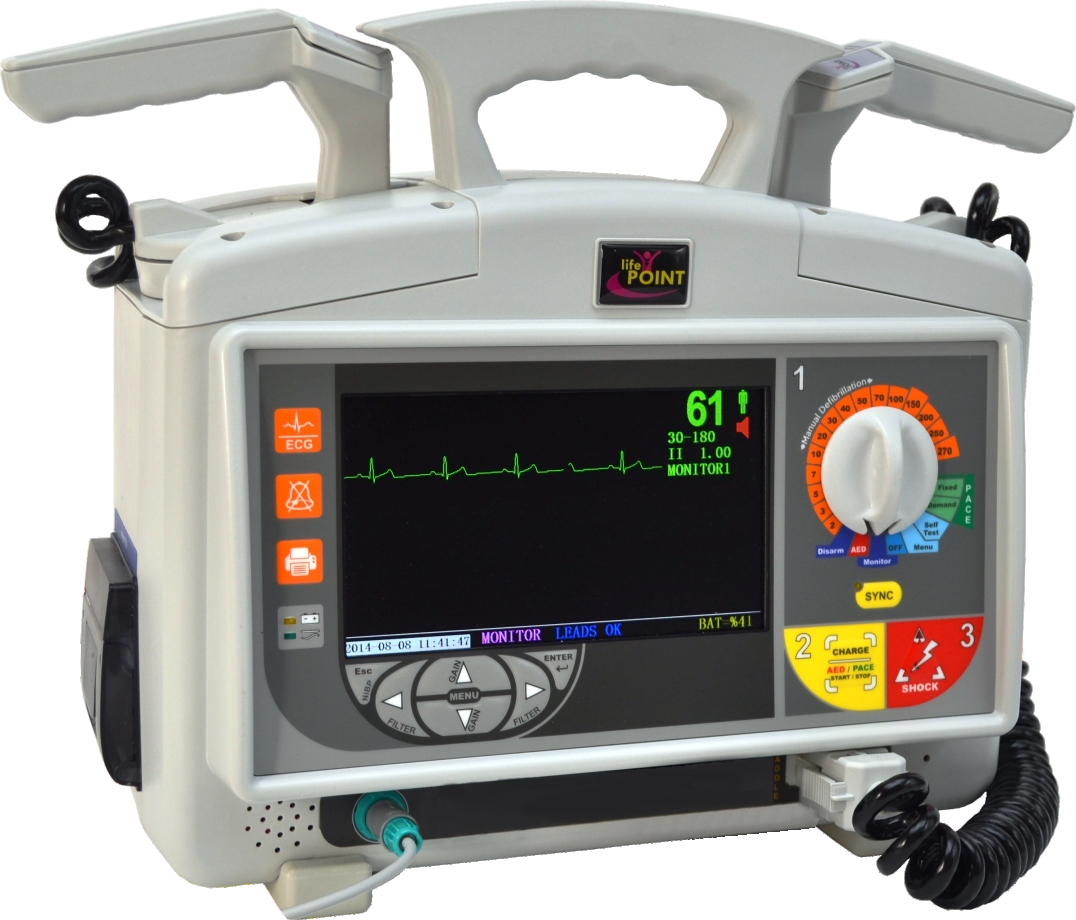
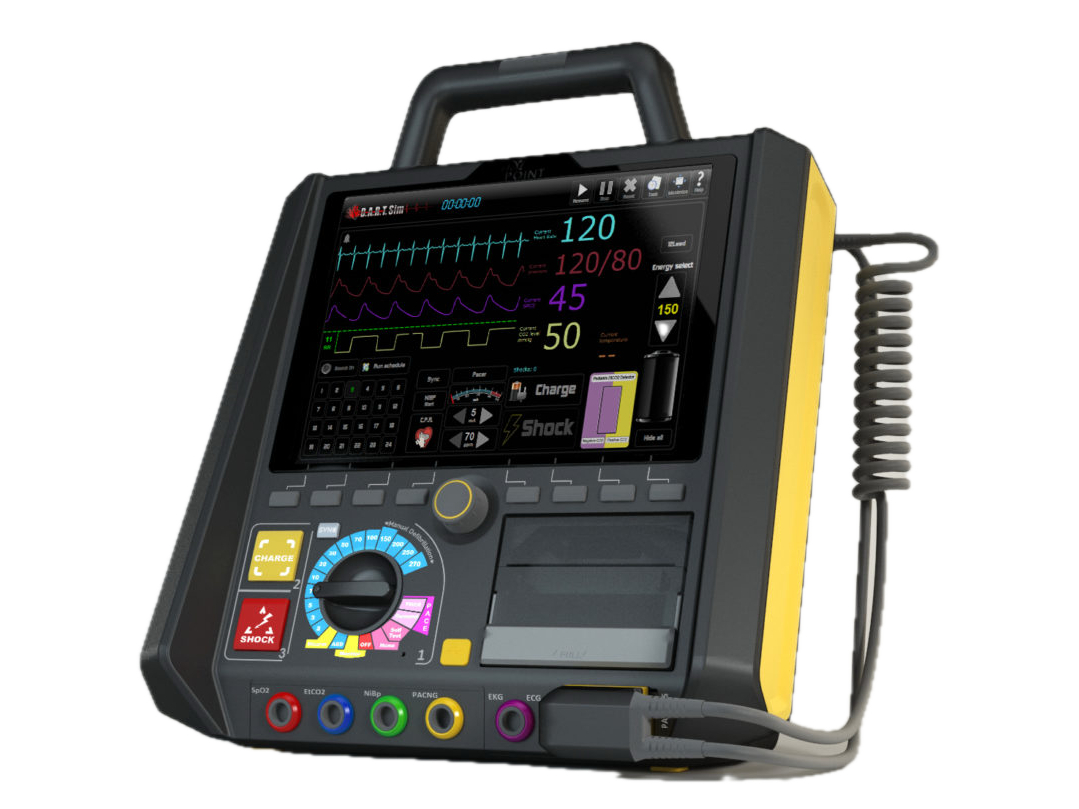
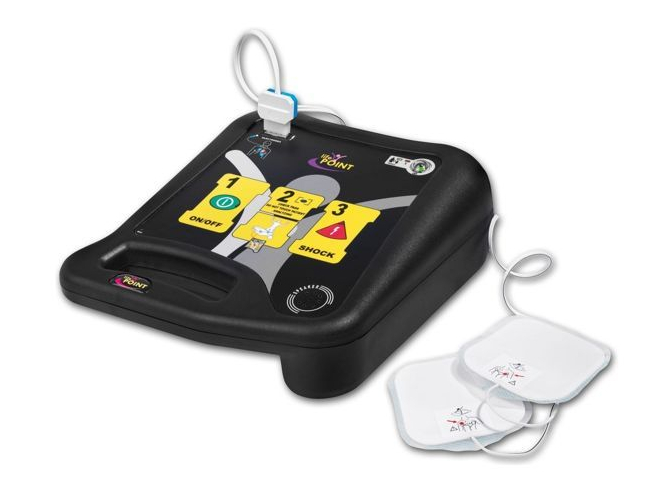
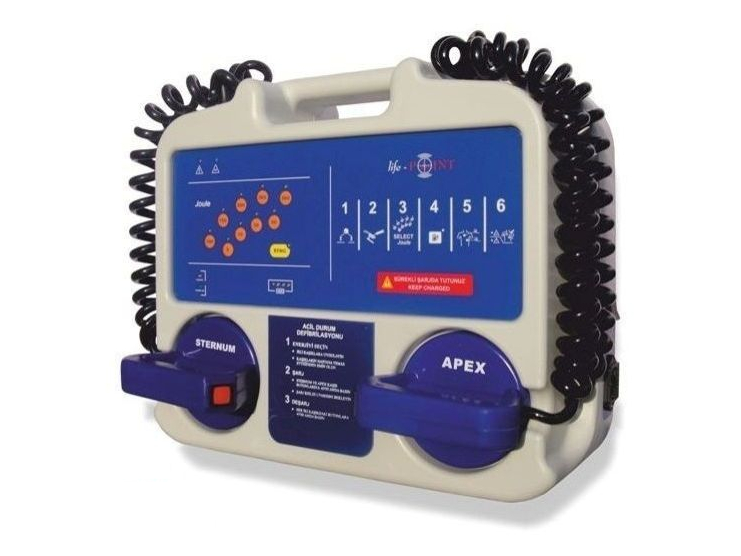
Life-Point Basic Monophasic Defibrillator
Monophasic defibrillator with manual and synchronised modes, 5–360 J energy selection and paediatric paddles.
- Monophasic waveform
- Manual and synchronised operation
- 5–360 J energy selection in 9 steps
- Paediatric paddles
- Optional trolley and ambulance bracket (EN 1789)
- Applications
- Hospitals, clinics, ambulances
Defibrillator
- Waveform
- Monophasic
- Operating mode
- Manual / Synchronised
- Energy selection
- 5 – 10 – 30 – 50 – 100 – 150 – 200 – 300 – 360 J
- Paediatric paddles
- Yes
Physical
- Dimensions
- 40 × 15 × 33 cm
- Weight
- 7 kg (battery and paddles included)
- Mains
- AC 220 V, 50–60 Hz (±20 %)
- Operating / storage
- 0 – 40 °C, 30 – 95 % RH · -20 – 55 °C
Optional
- Accessories
- Trolley, ambulance bracket (EN 1789)
METsis Medikal reserves the right to change technical values without prior notice.
What is a monophasic defibrillator?
A defibrillator is a device used to perform defibrillation in order to turn an abnormal ECG rhythm into a normal rhythm. When the heart enters ventricular fibrillation, returning it to normal sinus rhythm by delivering an adequate external electric current is called defibrillation. To shock the heart, it must be in ventricular fibrillation or pulseless ventricular tachycardia.
In a monophasic waveform the shock is delivered in one direction and cannot be adjusted to patient impedance, so 360 J is generally recommended for adult patients. Life-Point Basic offers 9 energy steps between 5 and 360 J.